

Please check our FAQs section if you unsure how to use the website or looking for something specific
Please check our FAQs section if you unsure how to use the website or looking for something specific

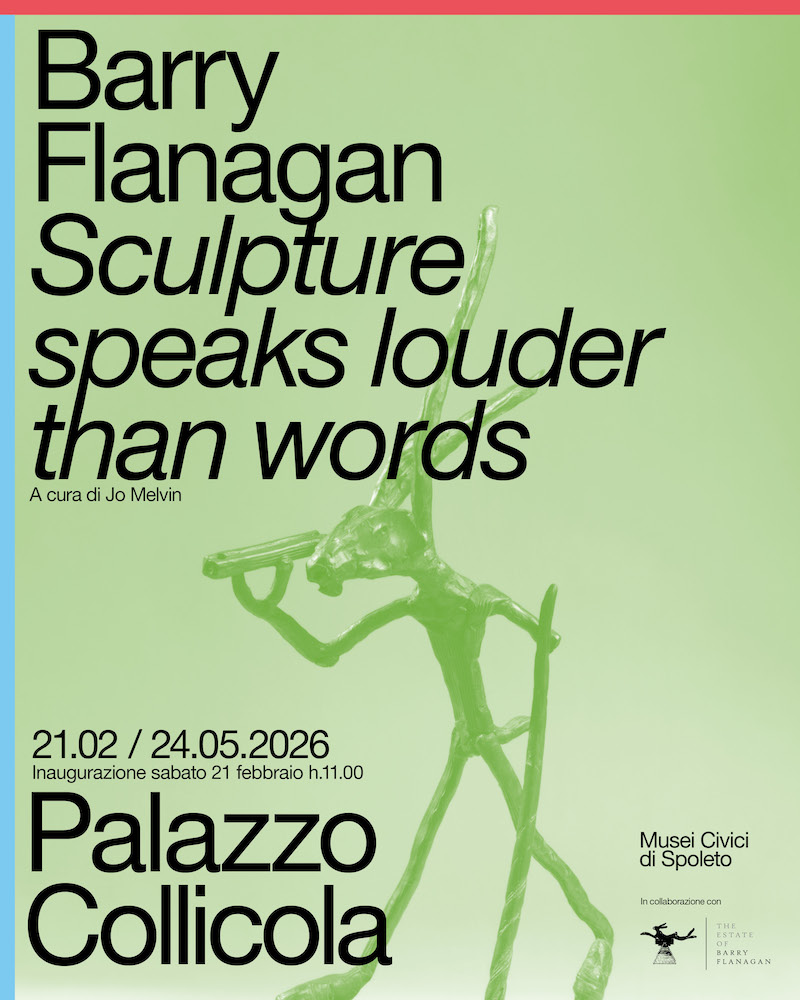
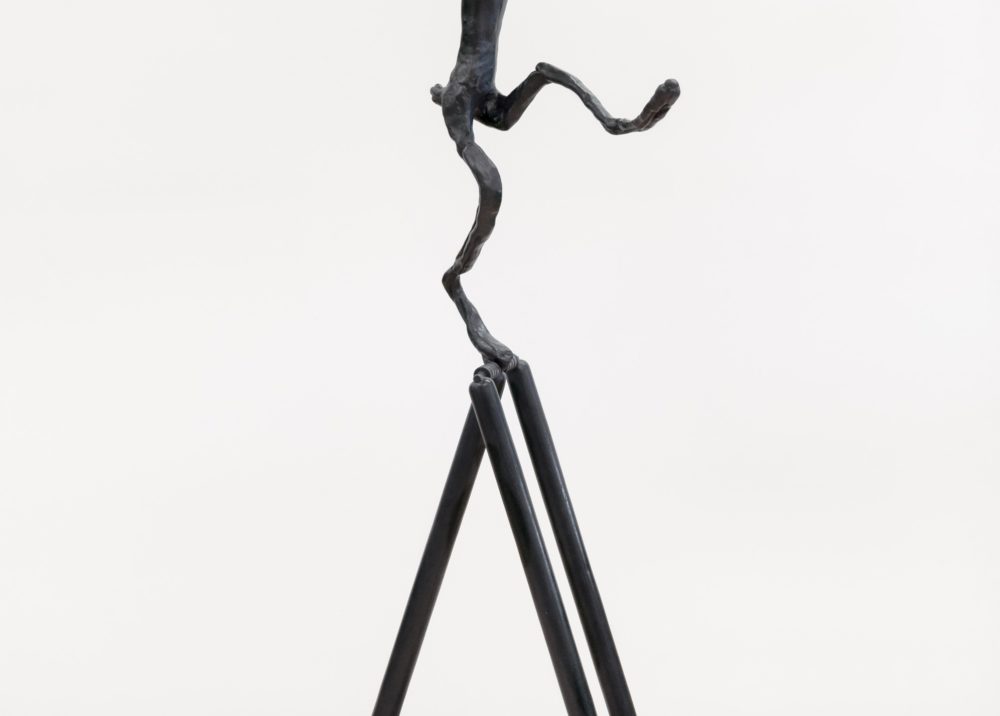
Organised in partnership with Mahler and LeWitt Studios and Musei Civici di Spoleto, the Barry Flanagan Estate supports the exhibition ‘Sculpture Speaks Louder Than Words’, curated by Mahler & LeWitt Studios alumna Jo Melvin with a series of related Public events. The program, is convened by Gertrude Gibbons, Guy Robertson, Jo Melvin, along with a Schools Program, led by artist and educator Giulia Filippi.
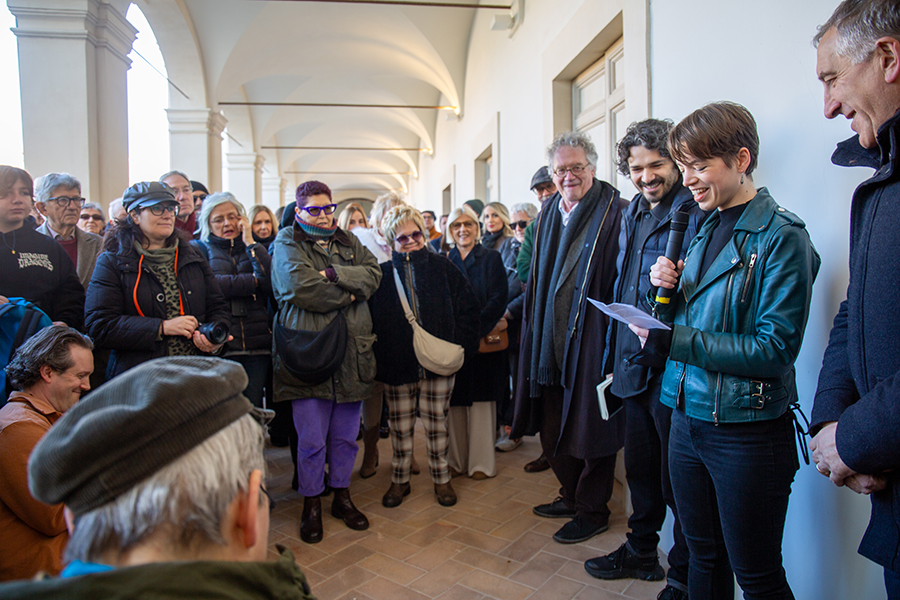
The Public Program opened with a tour of the exhibition with curator Jo Melvin and her daughter the writer and curator Gertrude Gibbons. After a major stroke in 2025, Melvin has been living with aphasia. In a screening at Sala Pegasus, Gibbons and Melvin presented their short film ‘Where is my voice?’: a collaboration between mother and daughter, reflecting on their recent experience.
“We explore the language disorder from the perspective of ‘both sides’; the one who has the condition and the one who listens.” The film refers to the work of several writers, composers and artists, including Flanagan, whose treatment of sound, silence and sculpture is resonant.”
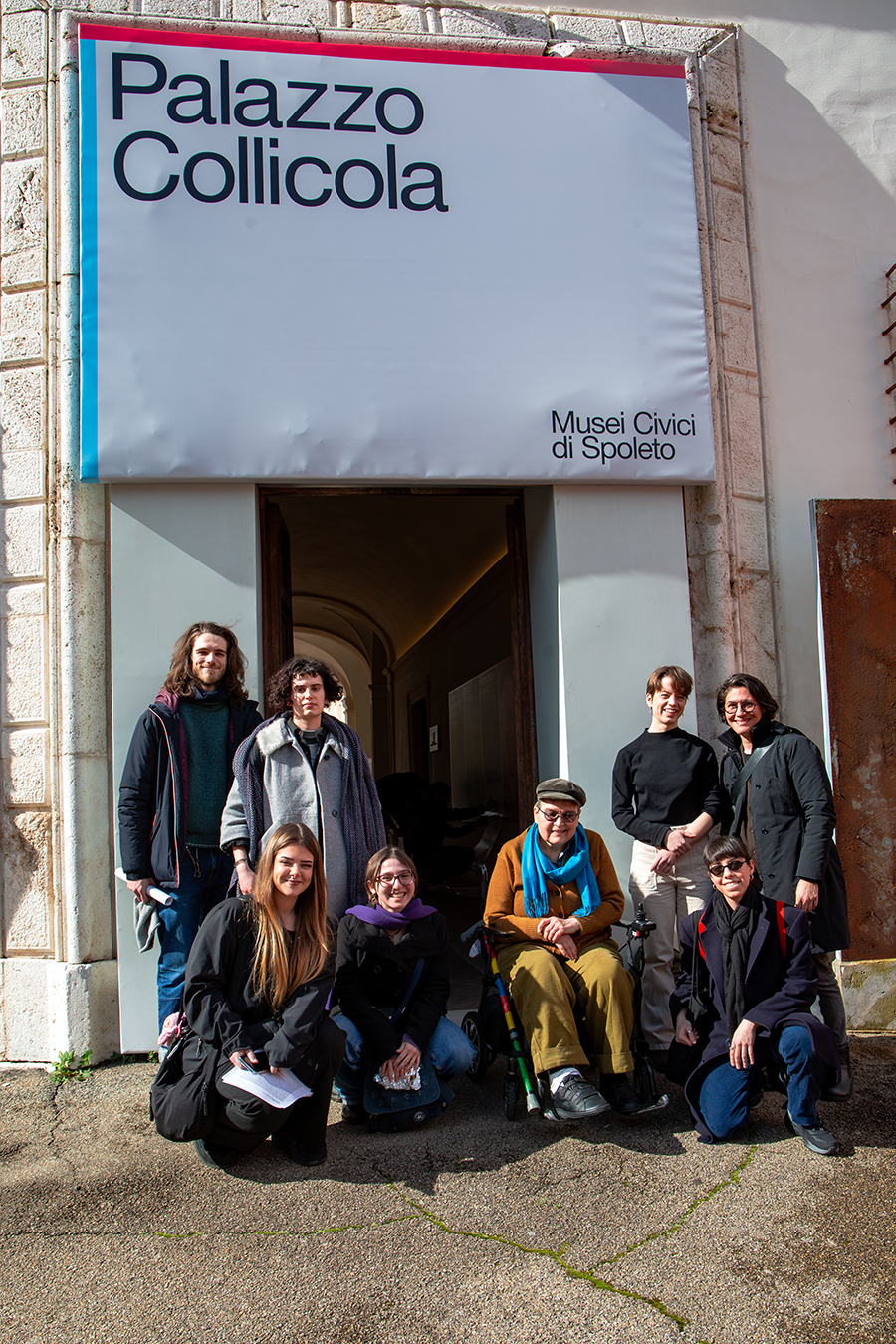
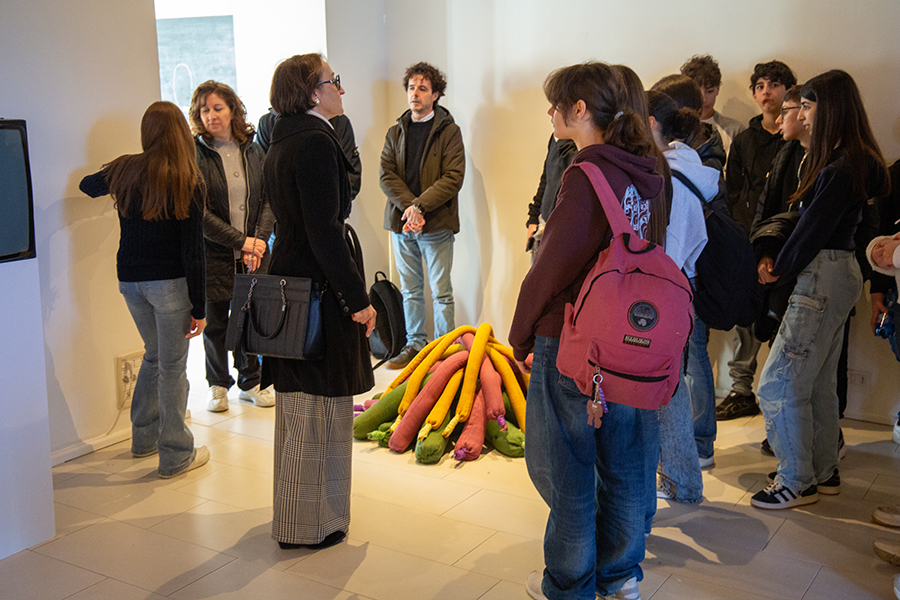
The Schools Program was led by artist and educator Giulia Filippi and developed in collaboration with the Liceo Artistico di Spoleto and the Accademia Belle Arti Perugia.
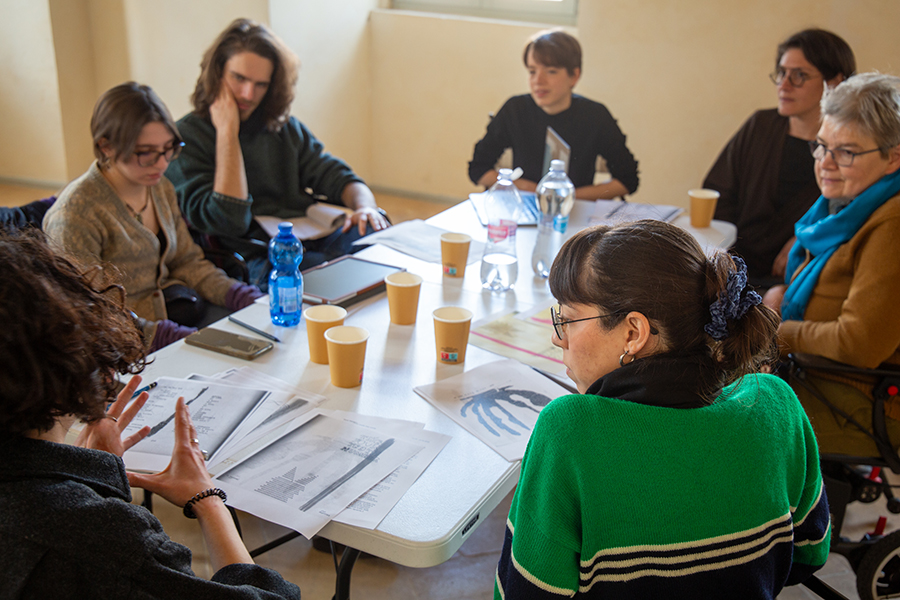
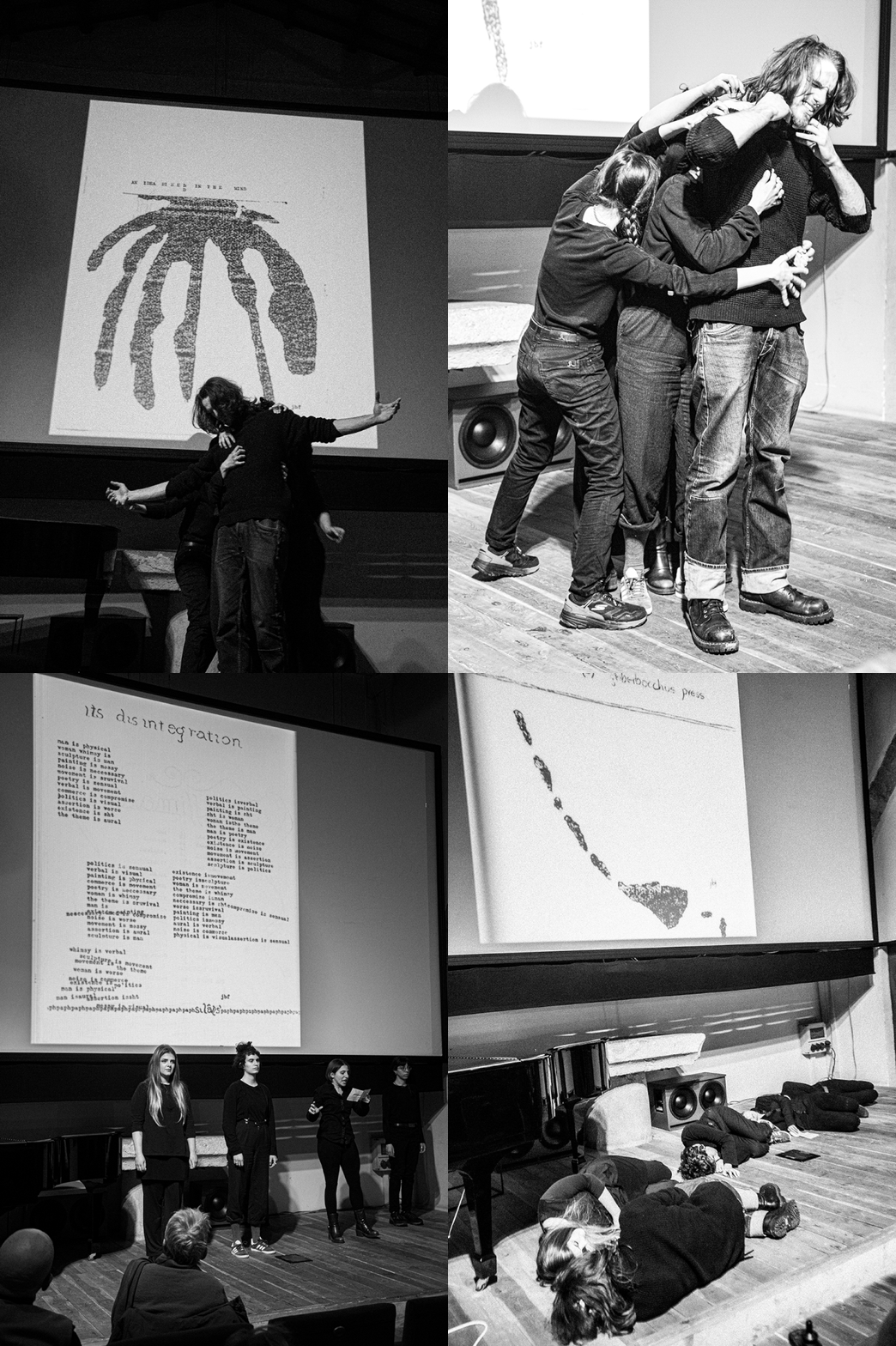
A key work in the exhibition was the script for Flanagan’s performance poem ‘O for orange U for you: poem for the lips’ (1965), in which vowels are silently mouthed, making them seem both very physical and intangible.
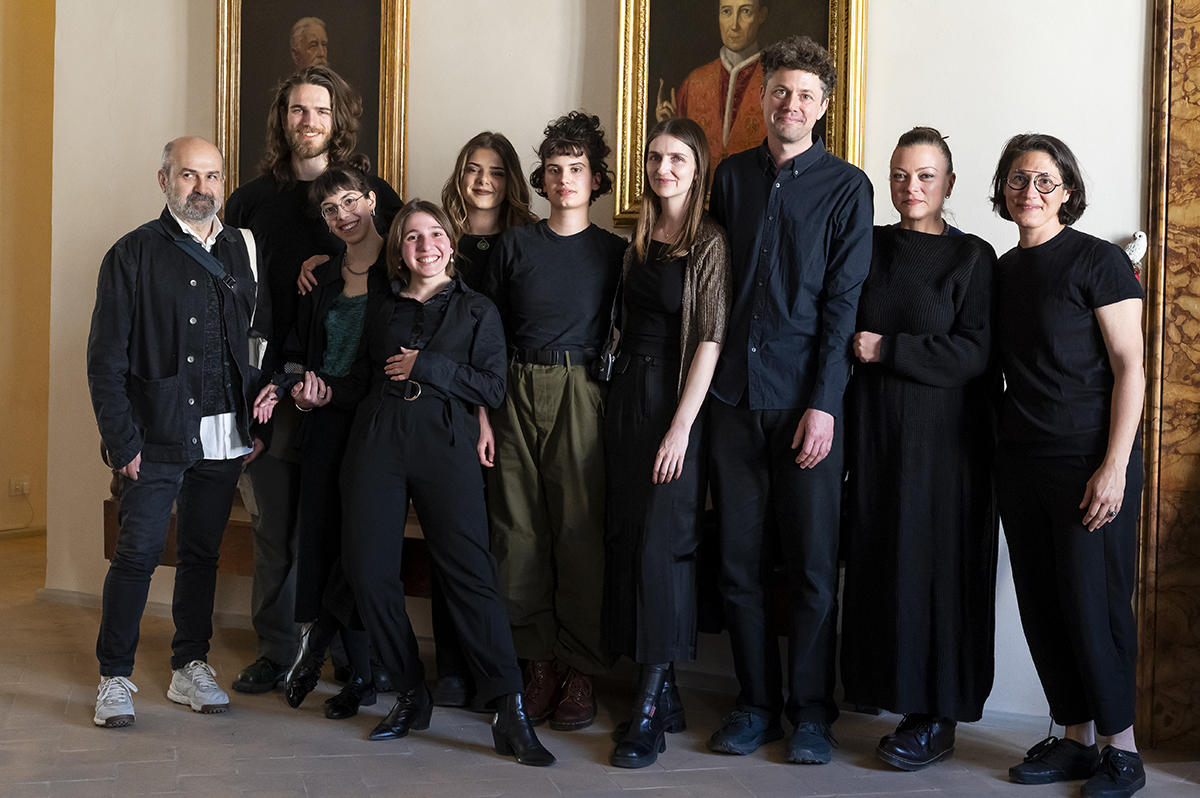
Students from ABA Perugia – Maria Furno, Michele Pangrazi, Anna Serena De Gaspari, Asimenia Galani, and Francesca Biancalana – participated in a workshop exploring Flanagan’s unrealised concrete poetry performances. They presented their interpretations of several to the public on the opening weekend of the exhibition. This was the first time many of these pieces had been performed.
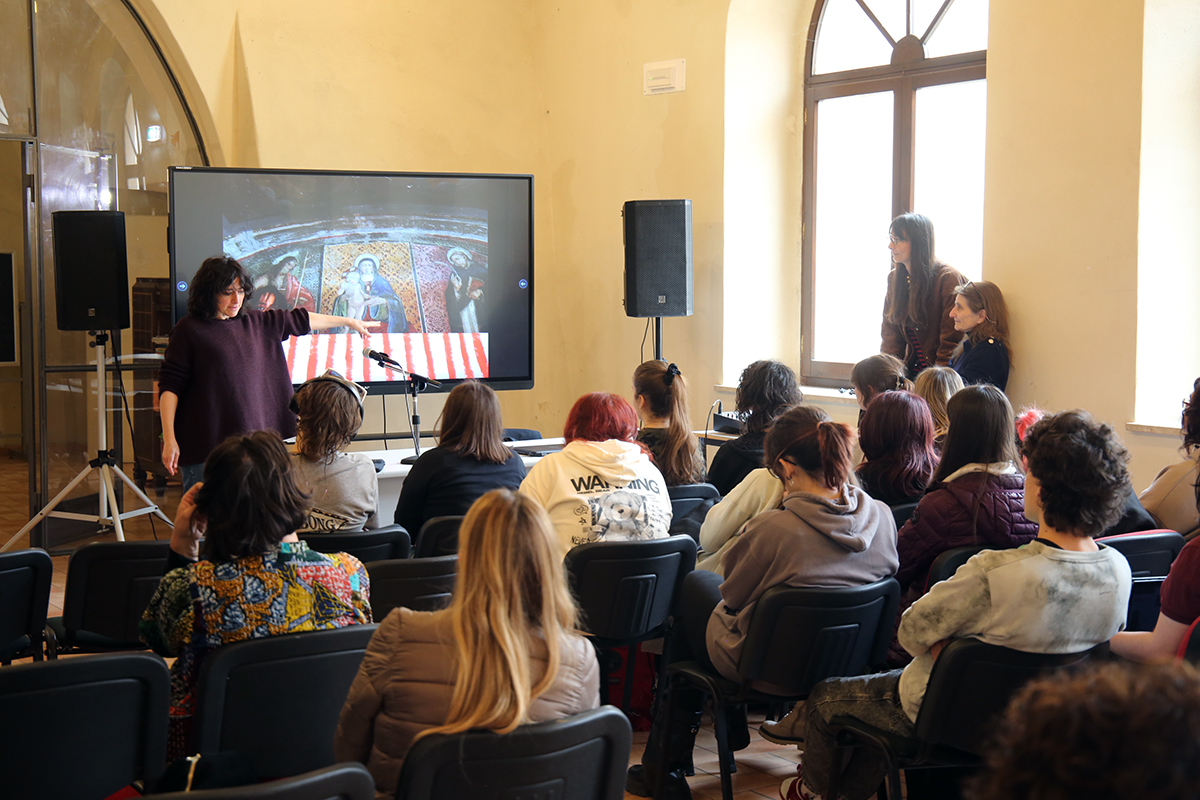
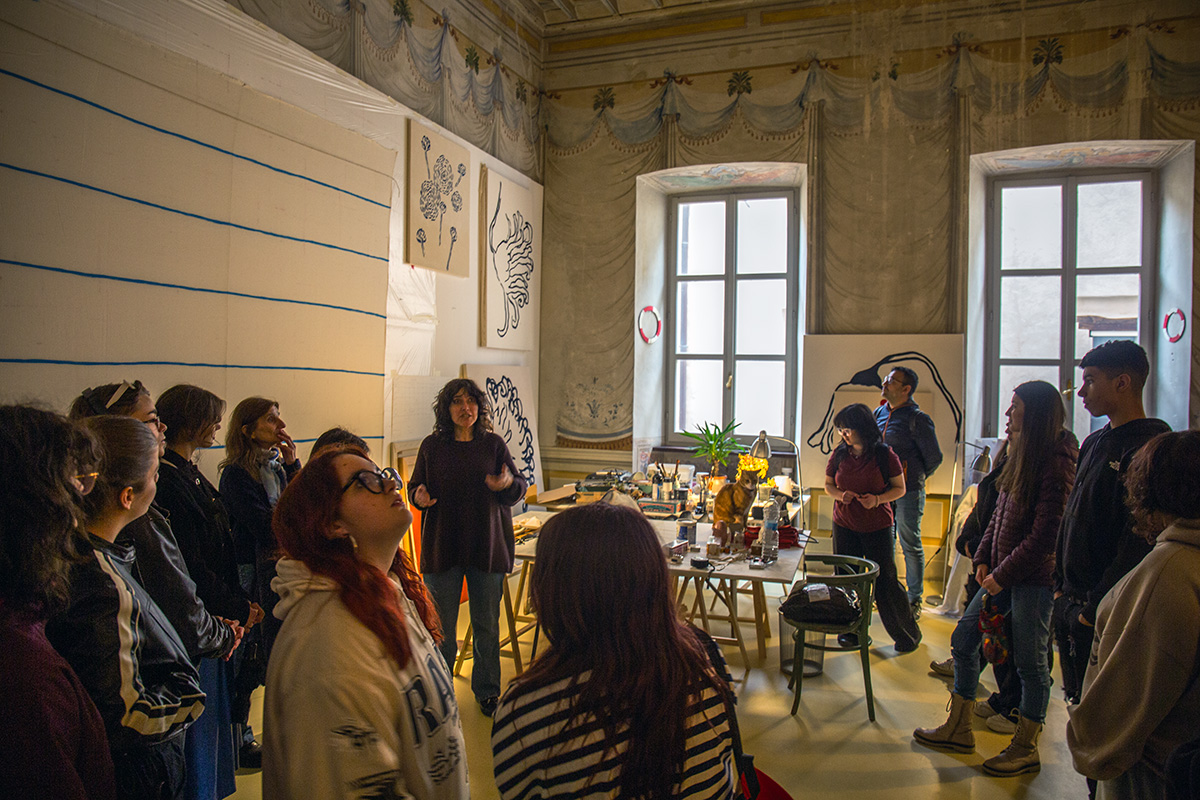
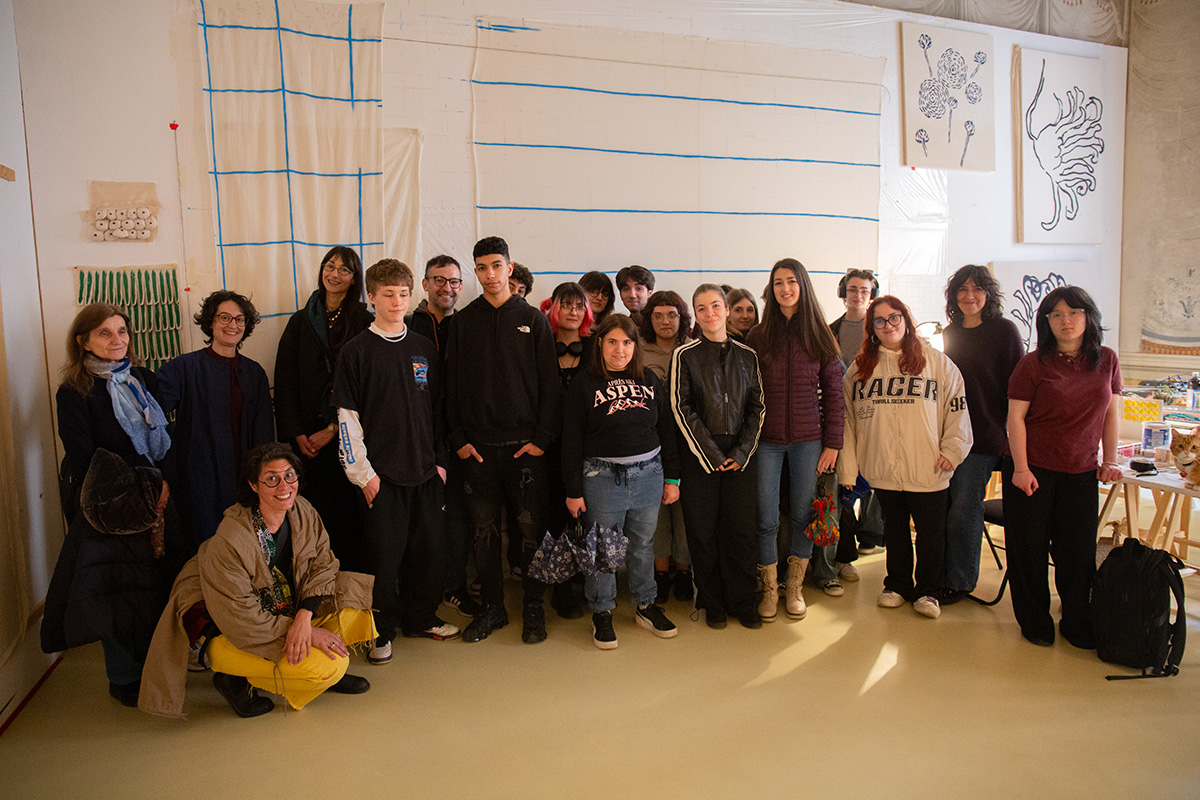
During the Schools Program, Spoleto-based artist Adelaide Cioni spent time with teenagers studying at the Liceo Artistico di Spoleto. Cioni also contributed to the Public Program (see below).
To conclude the public program, we invited several former Mahler & LeWitt Studios residents to present new performances in response to the Flanagan exhibition.
Toby Christian: flamespeak
Palazzo Collicola
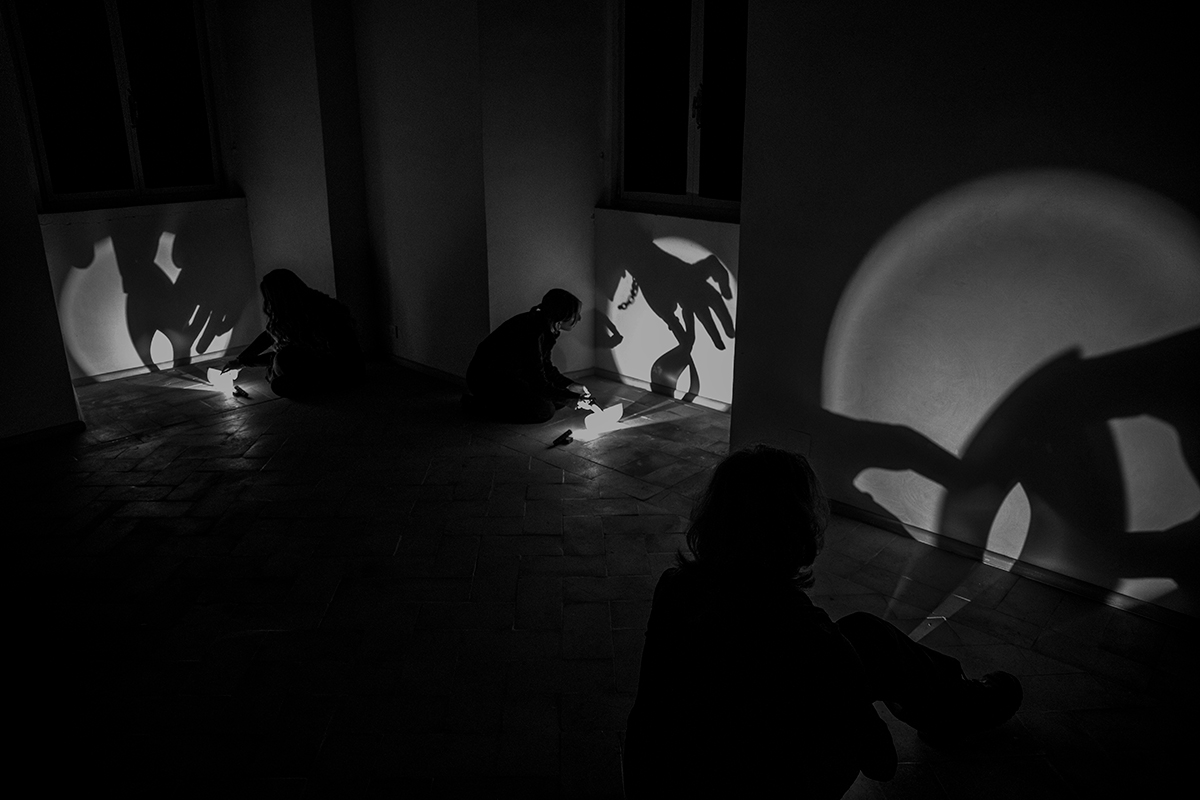
Responding to the two light sculptures in the Flanagan exhibition and working with the students from ABA Perugia, Toby Christian presented a new work titled flamespeak. Each performer in this shadow-play manipulated a folded piece of A4 paper and torch light to mimic the shadow of a candle flame. A single word chosen by the performer and printed on their sheet of paper was spoken intermittently, creating a live improvised score. Christian writes: “Exploring the delicacy of the printed word and the malleability of the ground that anchors it, flamespeak sees text, shadow and speech coalesce, where quivering flames transmit multiple indefinite voices, for a new collaborative incantation.”
Adelaide Cioni: Bla Bla Bla
Sala Pegasus
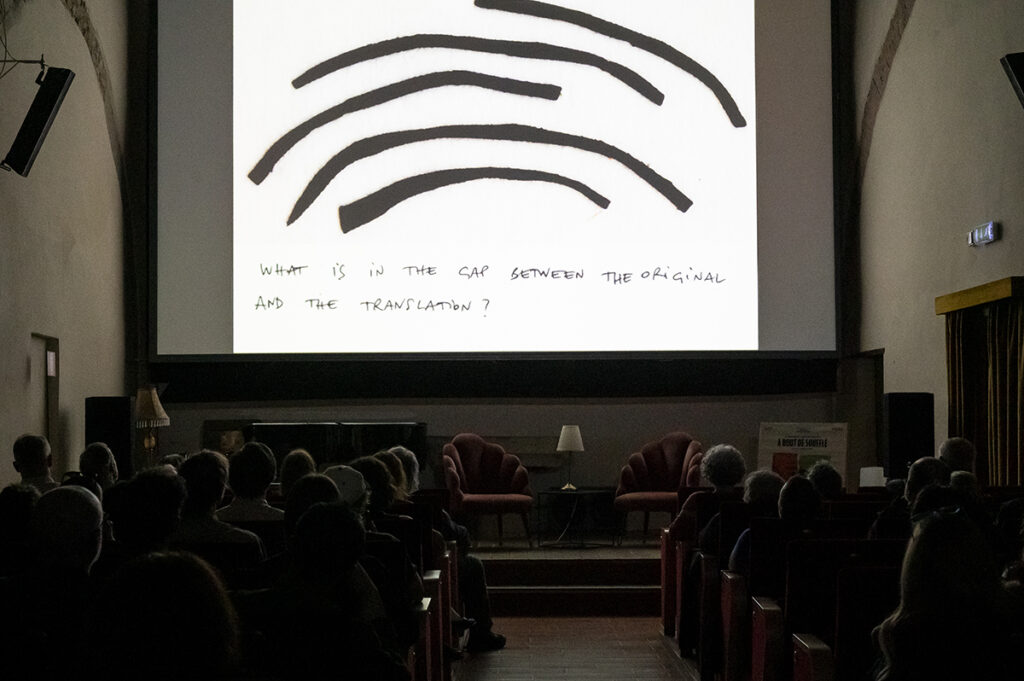
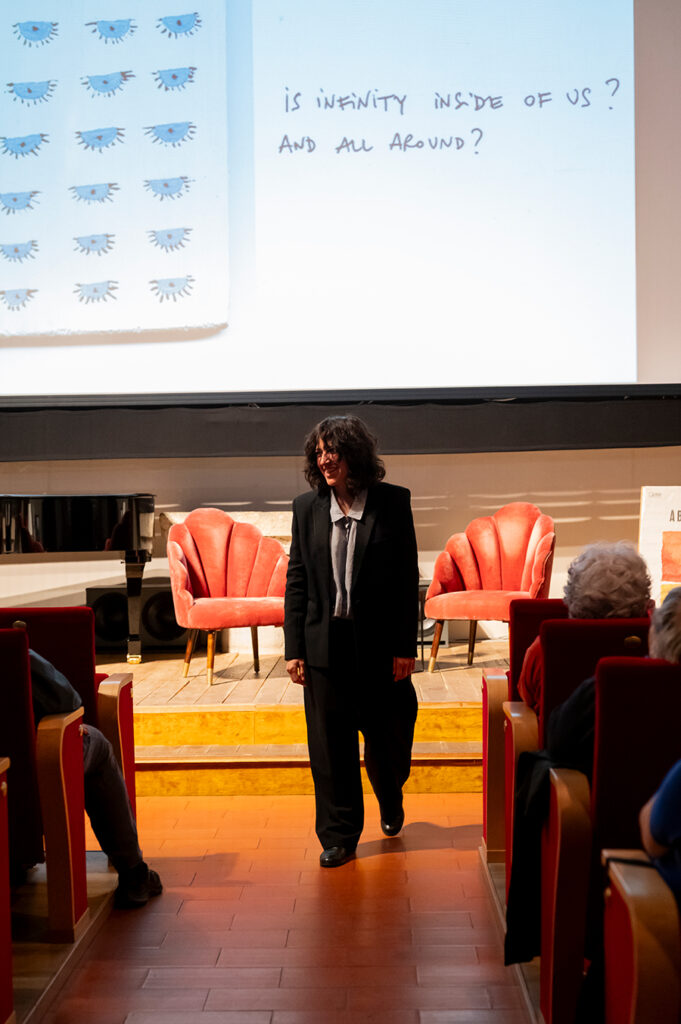
Cioni developed a new performance for the program which she described as: “A performance lecture on infinity or, a bunch of questions with impossible answers, revolving around patterns, translation and the human condition (and yes, thank god there will be pictures).” Narrated by the artist, the performance acted as a kind of open-ended, whimsical guide some key themes in Cioni’s practice.
James Cave: The Desert Hills Fan Out Like Playing Cards
Casa Mahler
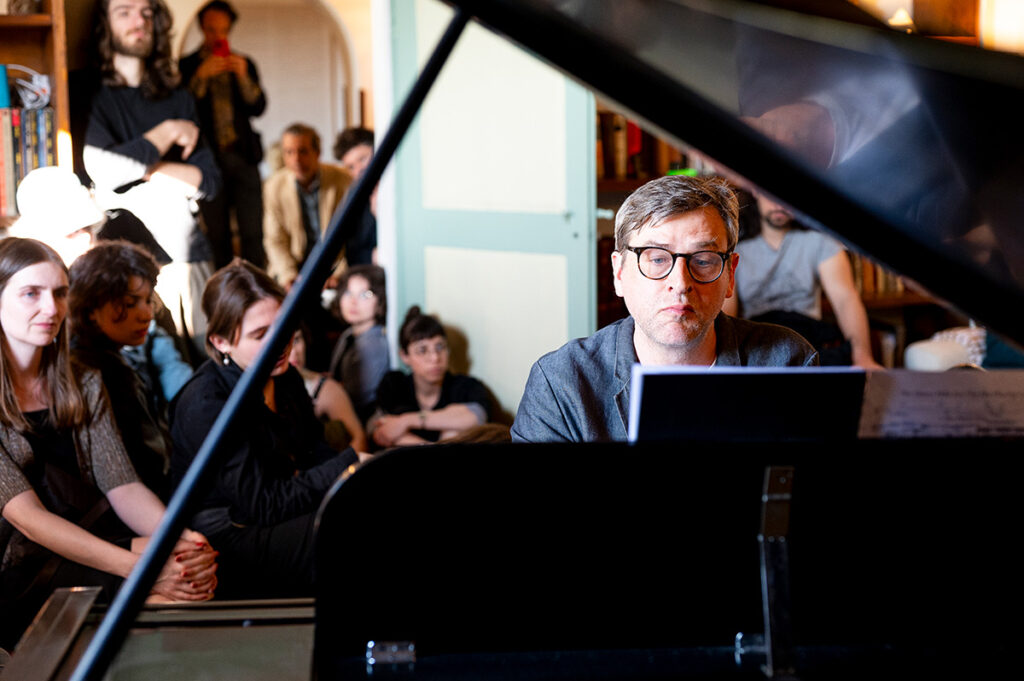
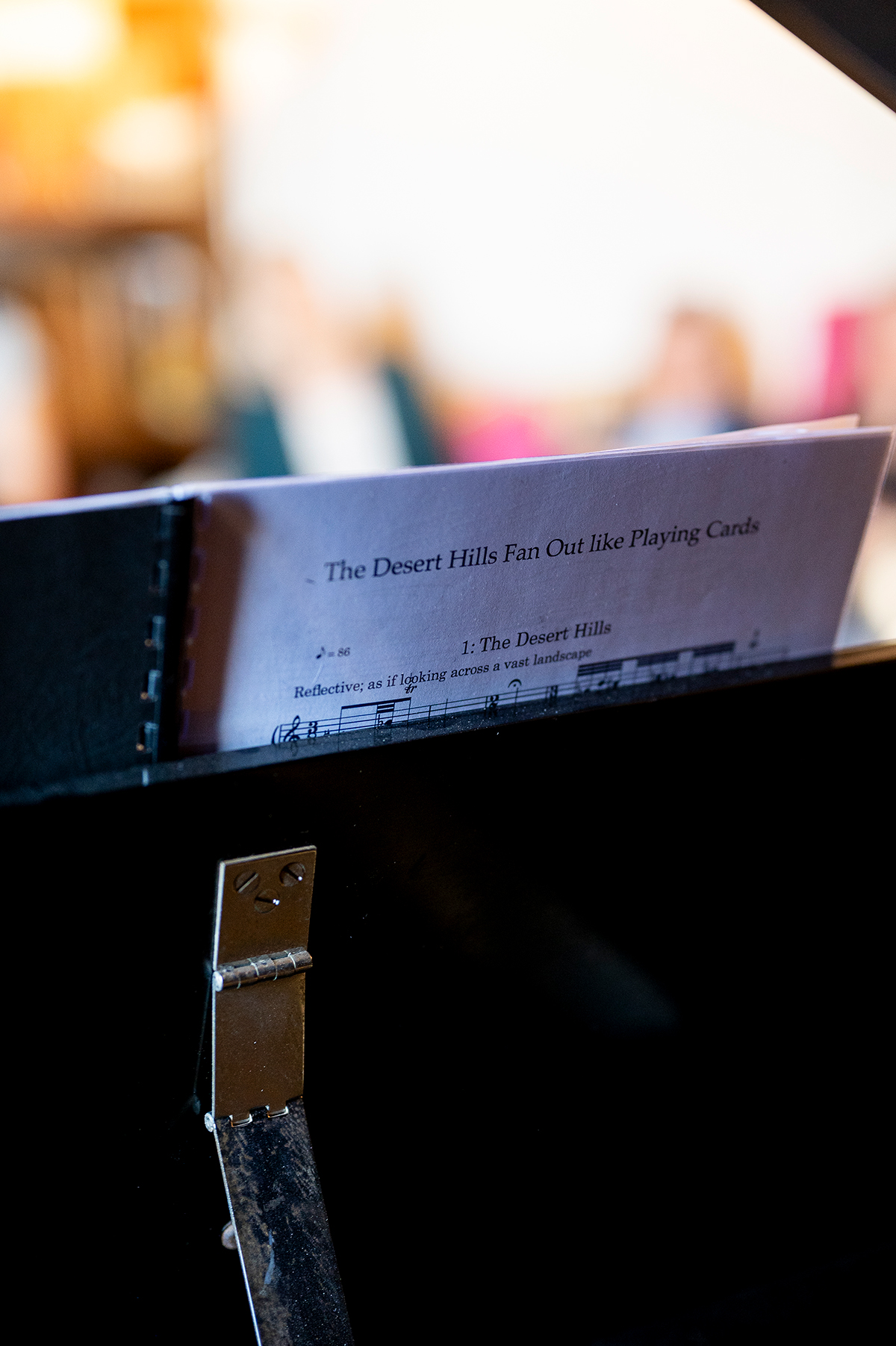
The final performance for the Public Program was presented by former composer in residence James Cave in the music room at Casa Mahler. Cave’s sound work imagines Spoleto as a place filled with sonic ghosts from different eras. It stages multiple imaginary vignettes in which particular musical figures, from Mahler to Menotti, interact with locations in the city. He parlays with these characters, blending their musical styles with his own compositional voice. His approach has a quality of saudade: a Portuguese concept referring to a nostalgic longing for a specific time and place. Through its hybrid form, the piece offers an ironic and reflective commentary on musical history. Listen to a recording